Measure Accurately

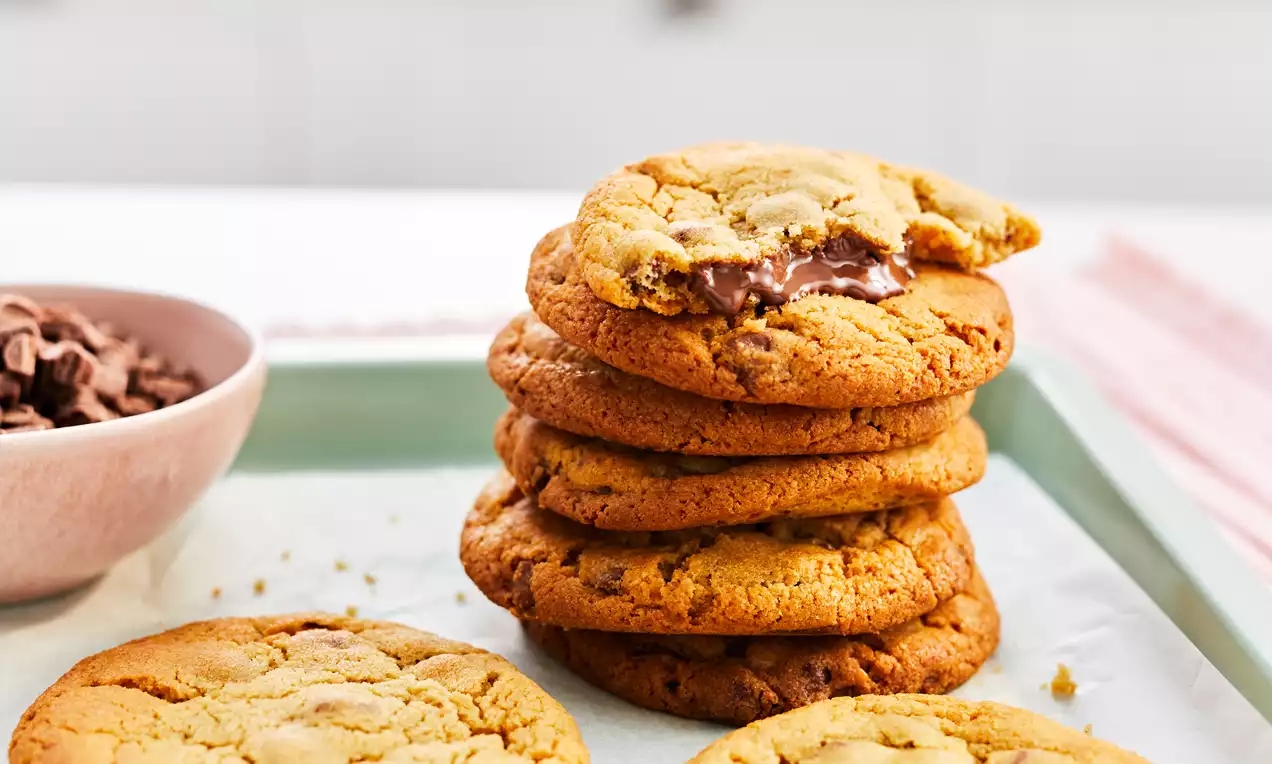
Golden Rules When Baking Cookies
Baking cookies is fun, but it’s also a little like science! Follow Dr. Oetker’s simple guide to bake the perfect cookie every time.
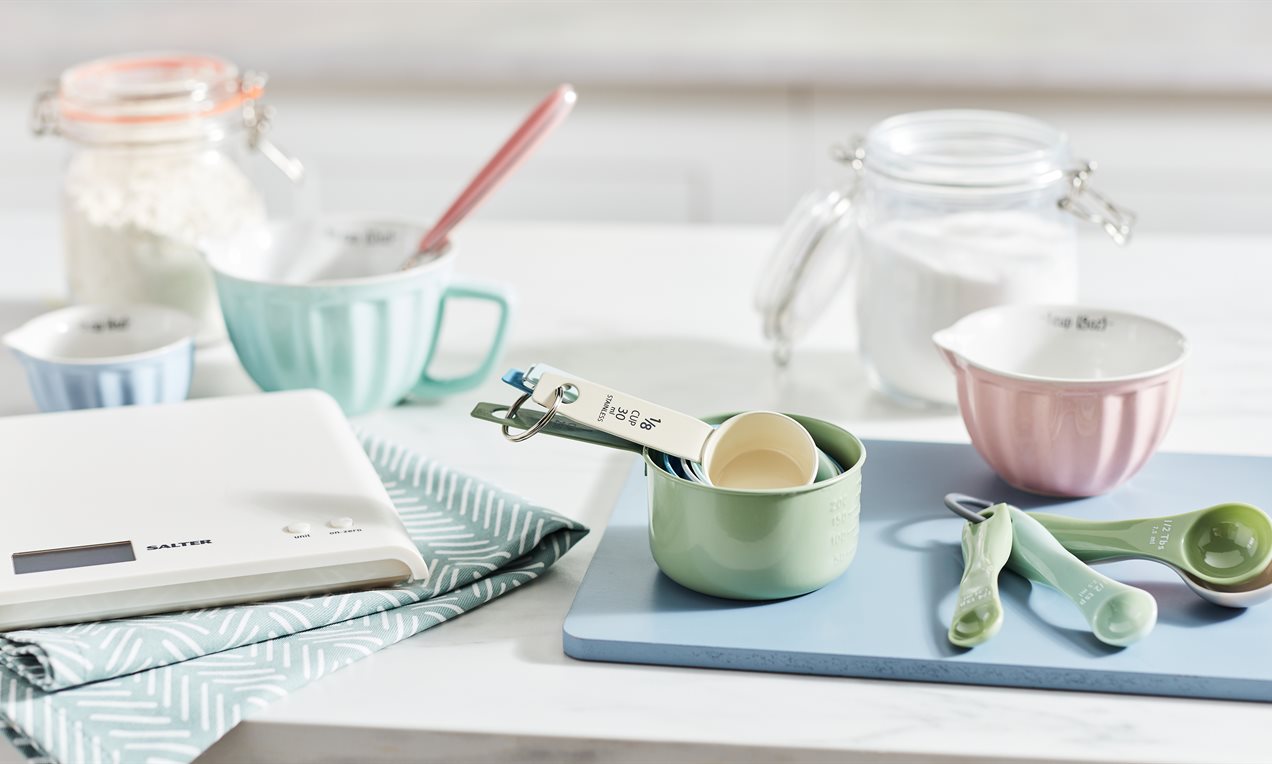
Accurate measurements are the key to a perfect baked cookie every time. Unlike cooking, baking is a science, and small deviations in ingredient amounts can significantly change the texture, structure, and flavour of your bakes.
Why It Matters
Too much flour - dense, dry cookies Too little sugar - flat, less flavourful cookies Incorrect liquid - overly sticky or crumbly dough Accurate measurement ensures your cookies come out perfect, with the correct texture, sweetness,and appearance every time.
Don’t Overmix
Overmixing is one of the most common mistakes in cookie baking - while mixing the dough is important for even ingredient distribution, excessive mixing after adding flour can have an impact to the texture, structure and even flavour!
Mixing mistakes
Gluten development: Flour contains gluten-forming proteins, mixing too much after adding flour strengthens the gluten and can make cookies tough, chewy or dense instead of tender.
Air incorporation: Overmixing can incorporate too much air causing cookies to rise quickly in the oven and then collapse leading to flat, uneven shapes.
Spread & shape: Excessive mixing can make dough too soft, causing cookies to spread too much during baking.
When to Mix and When to Stop Mixing
Creaming butter & sugar: Beat until light and fluffy and stop once evenly combined. Adding eggs & flavourings: Mix until just incorporated. Adding dry ingredients: Fold gently using a spatula or wooden spoon until the flour is fully absorbed and stop as soon as there are no dry parts in the mixture.
Techniques to Avoid Overmixing
Doing it by hand - use a spatula or wooden spoon for folding in flour instead of a mixer. Scraping the bowl - this ensures even distribution without extra mixing. Mix in stages - incorporate eggs and wet ingredients first, then fold in dry ingredients carefully.
Watch Taking Time
Even when the ingredients have been measured and mixed cookie dough has been mixed perfectly, all of this can be ruined by overbaking or underbaking. Cookies are small, delicate and bake quickly, so timing is key.
Why it matters
Texture: Overbaked cookies become dry and hard; underbaked cookies may collapse or remain gooey in the centre. Flavour: Browning adds flavour, but too much can make cookies taste bitter or burnt. Appearance: Uneven baking can lead to cookies that are pale in the centre and dark on the edges.
How to monitor baking time
Follow the recipe’s suggested time. Check the edges: cookies are usually done when the edges are set and slightly golden. Rotate the cookies: for even baking, rotate baking sheets halfway through the baking time, especially if your oven has hot spots.
Frequently Asked Questions
What temperature should I bake my cookies at?
You should follow the recipe for the oven temperatures. However:
175°C – Most classic recipes; cookies bake evenly, edges set while centres stay soft.
182–190°C – Slightly higher temperature for cookies that are crispy at the edges and soft in the centre.
160°C – Slower bake; cookies spread less with more uniform colour and a softer texture.
Baking Time
Standard cookies: 10–14 minutes, depending on size and thickness. Check a few minutes before the recipe time: the cookies are done when edges are set but centres still look slightly soft.
Can I substitute chocolate chips for nuts?
Yes, you can, you can use a like for like ratio. Meaning if the recipe uses 100g chocolate chips you can use 100g of chopped nuts, however the cookies may come out less gooey and a little more drier.
What happens if I don't put eggs in my chocolate chip cookies?
If you don’t put eggs in chocolate chip cookies, the cookies will still bake, but the texture, structure, and flavour will change. Check out our guide on substituting eggs in baking - Substituting Egg | Dr. Oetker
Is brown sugar necessary for baking cookies?
Brown sugar is not mandatory, but it enhances chewiness, flavour, and colour. If you skip it, cookies will still bake, but the texture and taste will be slightly different if you use white sugar.
0
Follow Us
Follow Dr. Oetker on Social Media