Understanding the types of flour

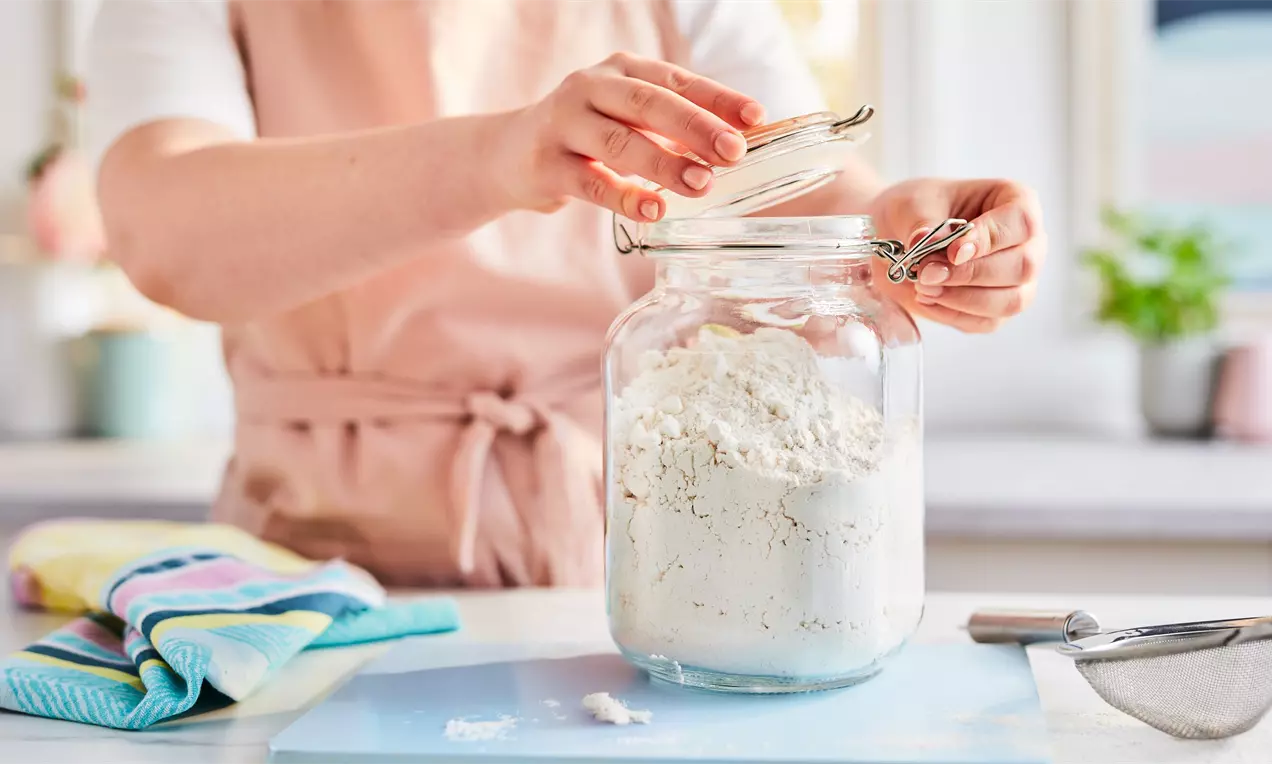
How to choose the right flour when baking
Here’s a guide to help you understand flour types and their best uses.
Plain Flour - 10-12% protein - This is also known as all- purpose flour. It contains no raising agents so when you use this you may need to add in your own depending on the recipe. It’s mainly used in baked good including muffins, cookies, cakes and pancakes.
Self-rising Flour - 8-9% protein. This contains raising agents, but some recipes might call for extra! This commonly used in cupcakes, cake muffins and quick breads.
Bread Flour - 12-14% protein. This contains no raising agents and is similar to plain flour, instead it has a high gluten content which results in a chewy texture. It’s commonly used in bread dough, sweet breads, pizza doughs and bagels.
Whole wheat flour - 13-14% protein. The same as bread flour, it contains no raising agents. It does contain more fibre and has a nutty flavour and a more dense texture, it’s mainly used in bread products and can be substituted with bread flour.
‘00’ Flour - 11-12% protein. This is the finest flour, it has a high gluten content and it absorbs water differently to other flours. It is most commonly used in pasta dough and pizza dough, because the fine texture creates a smoother, more elastic dough and it can be stretched without tearing.
Rye Flour - 8-12 % protein. This contains no raising agents, and is made from rye grains. It has an earthy flavour and is used to create dense, healthier baked goods such as rye bread, pasta and some pastries like short crust.
Spelt Flour - 12-14% protein. This contains no raising agents and is made from a type of wheat that is easier to digest. It is slightly nuttier than regular flour and has a slight sweet flavour to it, making it great for baking bread, muffins, cookies and some cakes.
Almond flour - 6-8 % protein. This again contains no raising agents and is made from finely ground almonds. It’s often used in gluten free baking as it gluten free acts as a great binder, it has a nuttier flavour than normal flour and a more grainy texture, often in macaroons and cookies.
Other types of flours include.
- Coconut flour - Very Low in protein.
- Oat flour- 6-9 % protein.
- Chickpea flour - 8-10 % protein.
- Buckwheat flour - 10-12 % protein
- Rice flour - Very Low in protein
- Corn flour – Very low in protein
- Tropica flour - 0% protein.
How Protein affects Baking
Higher protein flours like bread flour contain more gluten which results in a chewy, elastic texture. Lower protein flours like self-rising flour have less gluten which results in tender, soft baked goods. Plain flour has middle balance which makes it more versatile and suitable for most recipes.
Tips for Choosing the Right Flour
Check the recipe: Most recipes specify the flour type for a reason.
Consider texture: Want a chewy cookie? Use bread flour. Want a soft cake? Use cake flour. Mixing flours: You can combine flours (e.g., plain flour + almond flour) to get the desired texture. Whole grain options: Substitute part of the flour with whole wheat for added flavour and nutrition, but expect slightly denser results.
Frequently Asked Questions
Can I use plain flour for everything?
Yes, in most cases. Plain (all-purpose) flour is versatile and works for cookies, muffins, pancakes and some breads, just make sure you add in the required raising agents if the recipe says so!
However, for delicate cakes, tender pastries or chewy breads, using a flour matched to the recipe (self-raising or bread flour) will give better results.
What’s the difference between bread flour and plain flour?
Bread flour has higher protein content (12–14%), producing more gluten for a chewy, elastic texture, whereas plain flour has moderate protein content (10–12%), making it suitable for most baked goods.
Can I substitute Self raising flour for plain flour and vice versa?
Yes, however self-rising flour contains raising agents so for things like brownies plain flour is best used. And if using plain instead of self-raising then you would need to add in more raising agents yourself.
Do I need to sift flour?
Sifting isn’t always required, but it aerates the flour which creates a lighter texture in your bakes.
What about gluten-free flours?
Flours like almond, coconut, oat, rice and chickpea can replace wheat flour, but it’s important to know that they lack gluten, so you may need binding agents (eggs, flaxseed, xanthan gum) and adjustments to the recipes’ liquid content.
Does flour affect flavour?
Yes, whole grain and alternative flours such as spelt, rye, almond and buckwheat can add nutty, earthy, or sweet flavours, whereas plain flour and bread flours are neutral, letting other ingredients shine.
How should I store flour?
Keep in an airtight container in a cool, dry place. Wholegrain and alternative flours such as those listed above, should be refrigerated or frozen to prevent rancidity.
Flour is one of the most important ingredients in baking, so choosing the right type can make the difference between a tender cake, chewy cookies, or a dense bread.
0
Follow Us
Follow Dr. Oetker on Social Media