
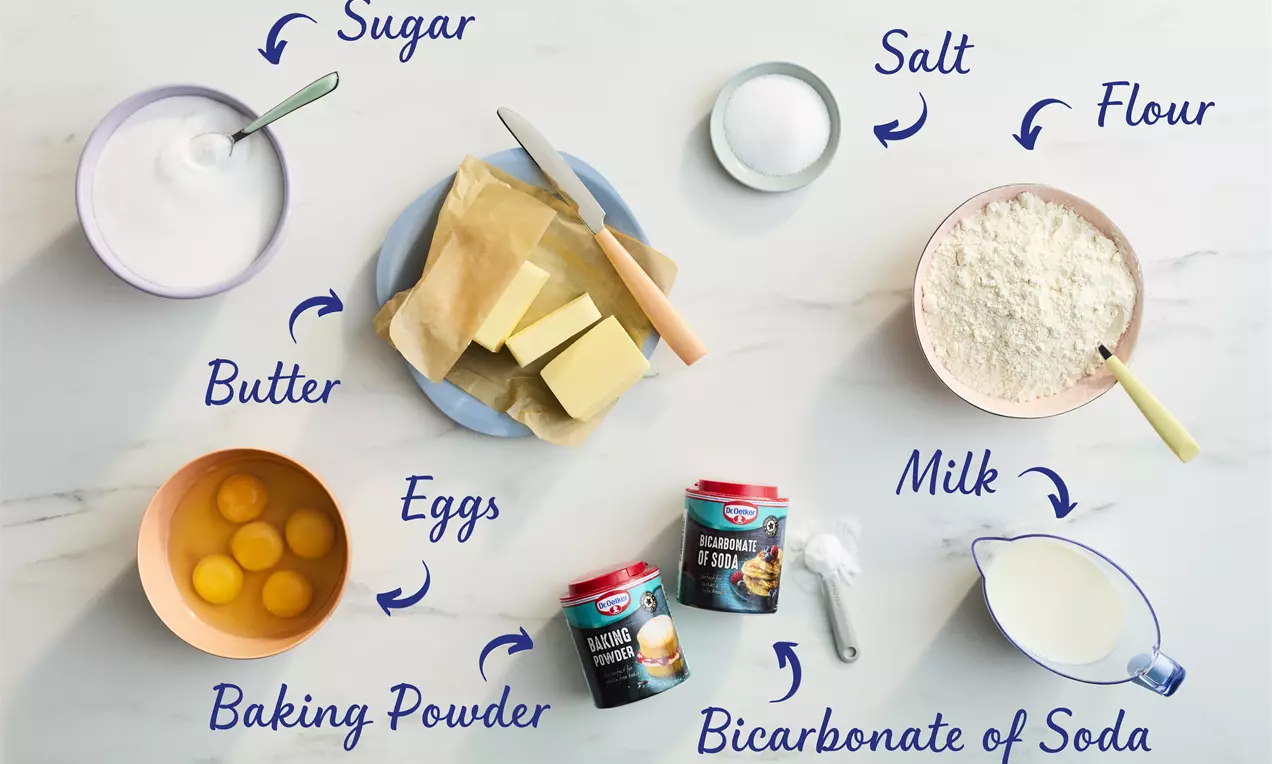
What are 7 Most Common Baking Ingredients?
While recipes may seem simple, the way these 7 most important ingredients interact affects texture, flavour, and appearance. Certain ingredients provide structure, others add moisture or sweetness, and some help baked goods rise and develop a tender crumb. By following our guide, you will learn what the most common baking ingredients do.
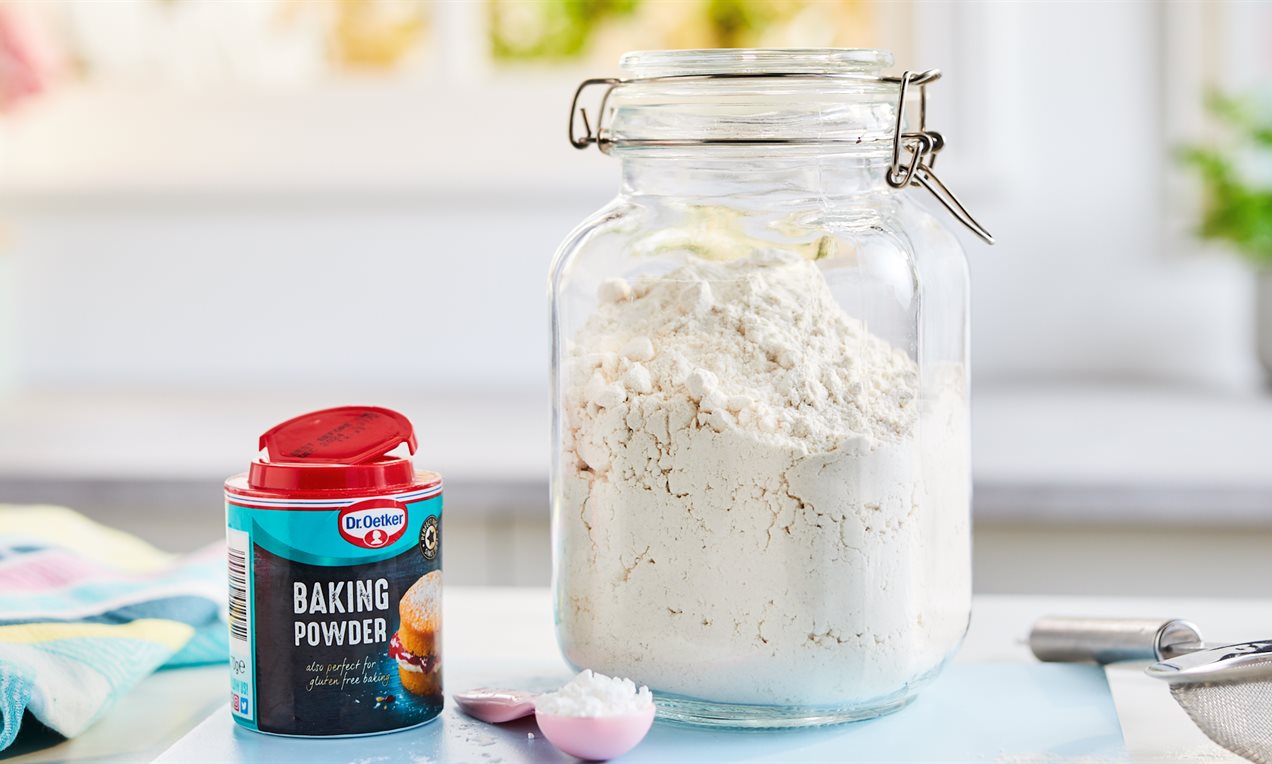
Flour gives bakes structure and creates the framework. It contains proteins, and when mixed into the liquids, it forms gluten, which gives dough and batter elasticity and strength. The gluten holds gases, which allows bread to rise and cookies to set, preventing them from collapsing. In cakes, too much gluten can make them dense and dry, while in bread it helps create a chewy texture.
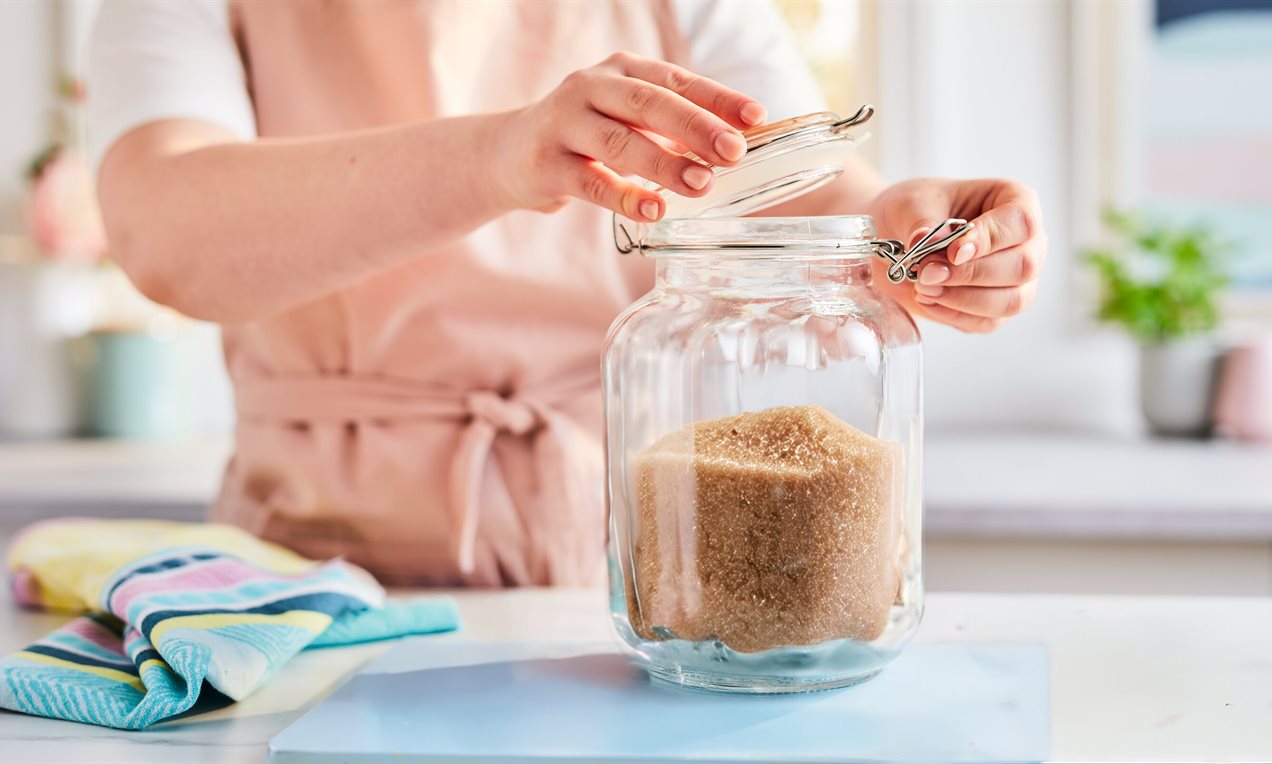
Flour gives bakes structure and creates the framework. It contains proteins, and when mixed into the liquids, it forms gluten, which gives dough and batter elasticity and strength. The gluten holds gases, which allows bread to rise and cookies to set, preventing them from collapsing. In cakes, too much gluten can make them dense and dry, while in bread it helps create a chewy texture.
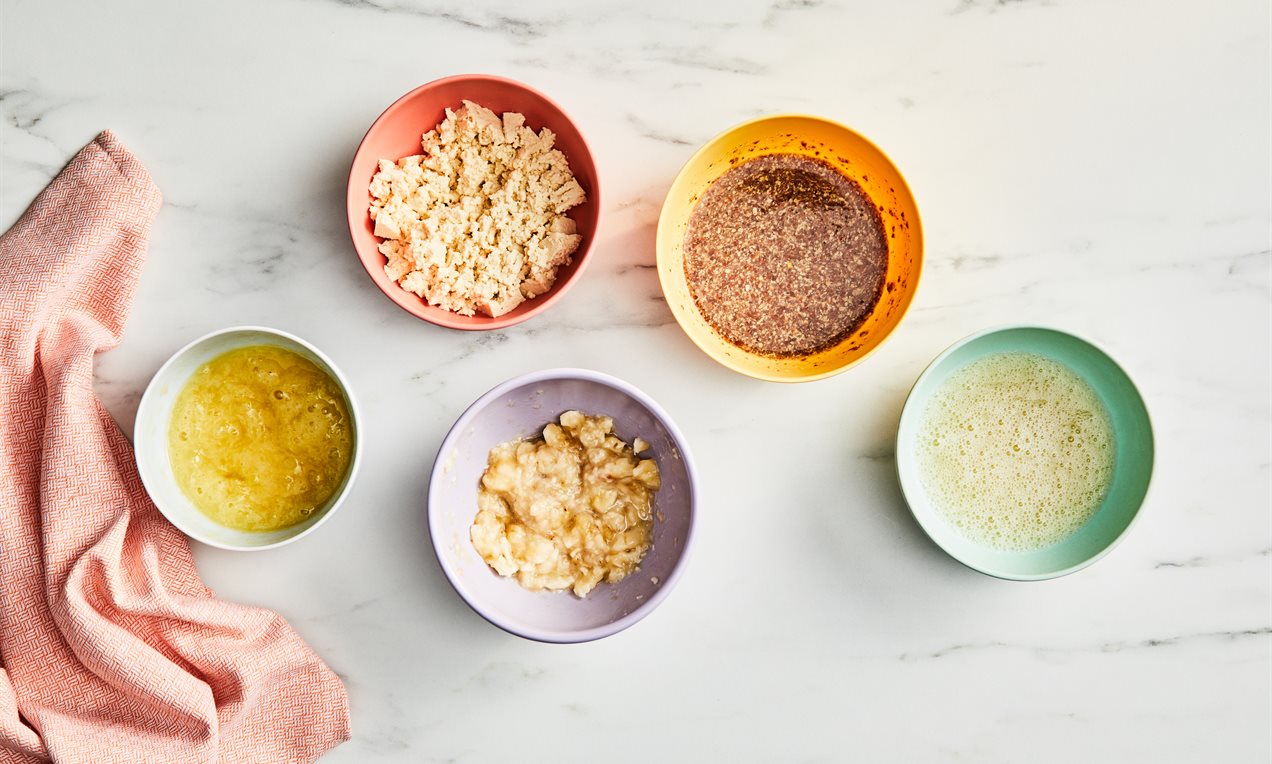
Eggs contribute structure, moisture, and richness. Eggs contain lots of protein which helps as a binder in baking. It also contains fat which helps with tenderness of the bakes. Eggs are also known as a natural raising agent. They trap air when beaten, acting as a raising agent which helps cakes and breads rise. Eggs also prevent a crumbly bake and allow them to form a stronger structure. Eggs can also be used as a glaze, when brushed on pastry they help create a shiny golden crust.
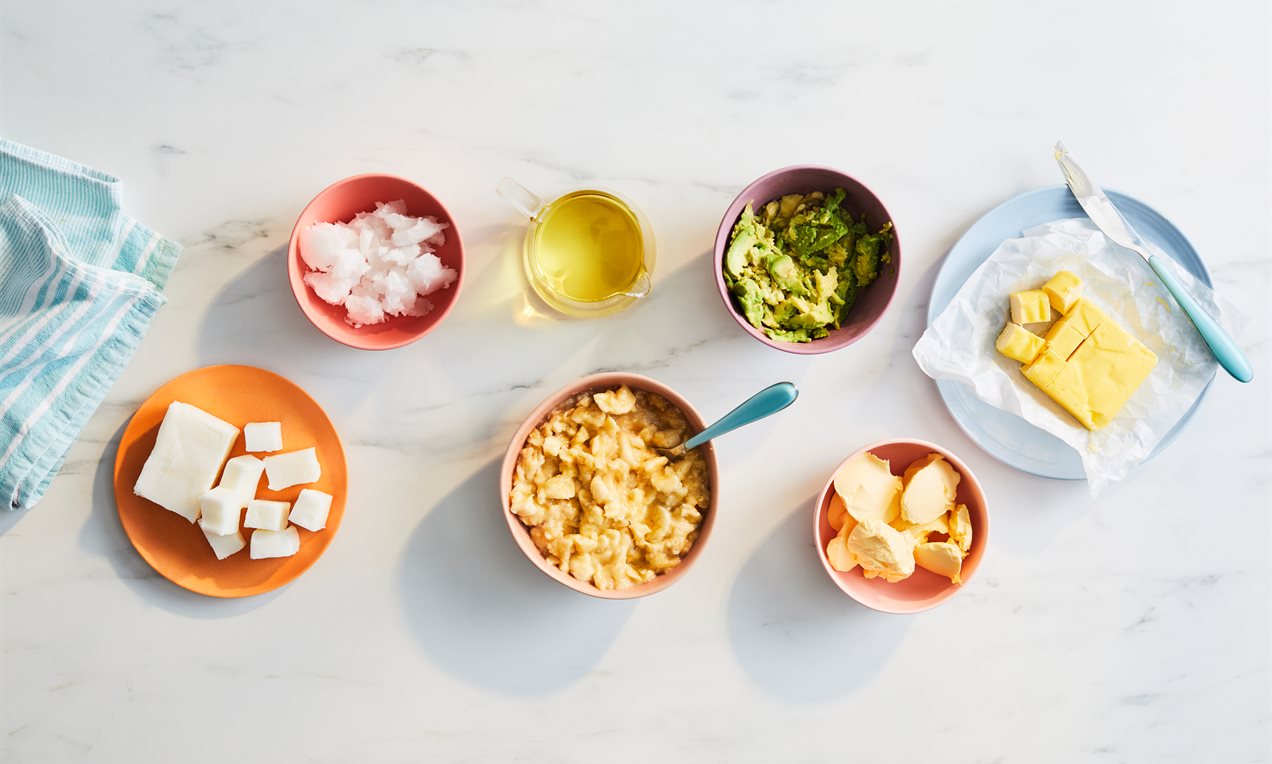
Eggs contribute structure, moisture, and richness. Eggs contain lots of protein which helps as a binder in baking. It also contains fat which helps with tenderness of the bakes. Eggs are also known as a natural raising agent. They trap air when beaten, acting as a raising agent which helps cakes and breads rise. Eggs also prevent a crumbly bake and allow them to form a stronger structure. Eggs can also be used as a glaze, when brushed on pastry they help create a shiny golden crust.
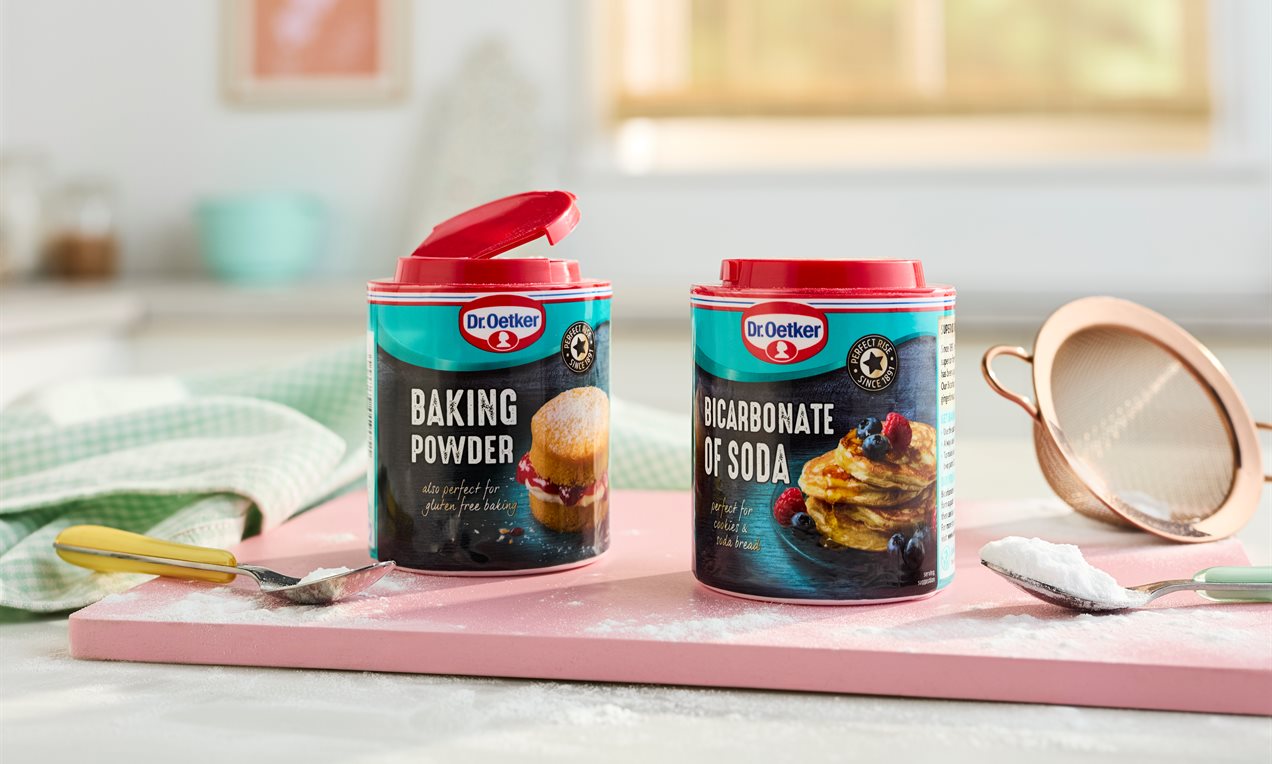
Baking powder and soda are raising agents. They help bakes form a rise when baked. When using baking soda, it needs an acid to react to, which produce carbon dioxide. Baking powder already contains the acid, and it reacts when it is wet and heated. They both create bubbles in the batter which makes cakes and other bakes light and airy.
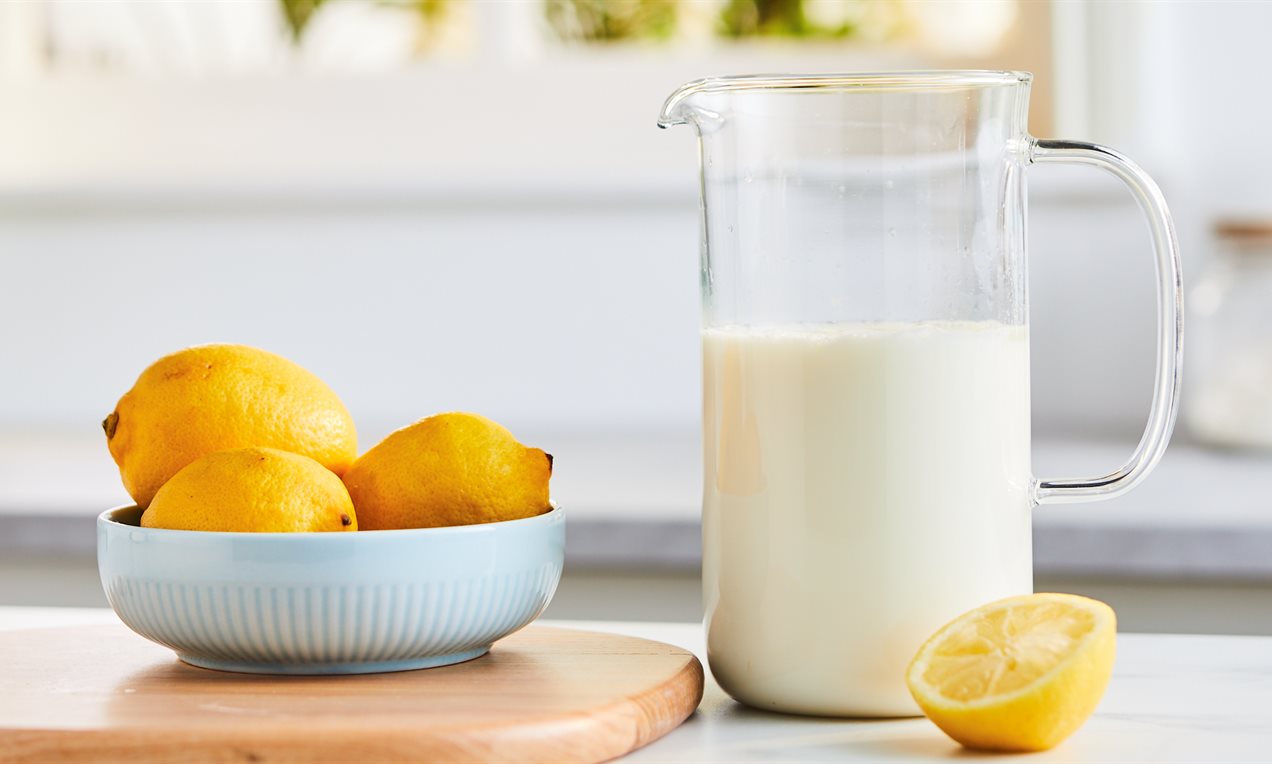
You need liquid in bakes to help hydrate them. They help dissolve sugar and salt, creating a smoother batter. Some raising agents need liquid to activate, so they help with the rise of the baked goods. Depending on the type of liquid used they can vastly change the flavour and texture while also adding richness and flavour.
Salt is key in every bake. It helps to enhance flavour, by bringing out and balancing the sweetness, and helps strengthen gluten, which improves structure. Even in sweet baked goods, a pinch of salt heightens the more complex flavours and prevents baked items from tasting bland.
Salt is key in every bake. It helps to enhance flavour, by bringing out and balancing the sweetness, and helps strengthen gluten, which improves structure. Even in sweet baked goods, a pinch of salt heightens the more complex flavours and prevents baked items from tasting bland.
Why not check out more handy baking tips here: Hints & Tips