

Dr. Oetker’s Guide to Healthier Baking
Whether you’re looking to cut down on sugar, boost nutrients, or simply make more mindful ingredient choices, it’s easier than you think to bake smarter without sacrificing flavour.
Here’s a guide to healthier baking! We’ve included tips, ingredient swaps, and techniques to make your baked goods more nutritious without losing the joy of a freshly baked treat.
Plain or self-rising flour does lack in fibre and essential nutrients. Try these healthier substitutes:
Whole Wheat Flour – This has higher fibre and nutrients; great for muffins, bread, and cookies.
Almond Flour – Adds healthy fats and protein. It also gives the bakes a nicer texture. It is best used for gluten-free baking.
Oat Flour – This has lower calories and is made from ground oats, it provides fibre. It does contain natural sweetness, so adjust the sugar by 1-2 tbsp.
Coconut Flour – this is lower in carbs and is higher in fibre. Top Tip when using coconut flour- it is very absorbent, so use less than white flour (250g per 500g white flour).
Tip: Mix whole wheat and white flour (50:50) to maintain a light texture while still adding in more nutrition.
Tip: Reduce Baking Time Slightly – Whole-grain flours dry out faster.
Tip: Use Steam or Extra Moisture – Helps prevent dryness when using whole-grain flours.
Tip: Make sure you add a raising agent to the flours that do not contain it, any raising agents. Check out Baking Powder and Bicarbonate of Soda .
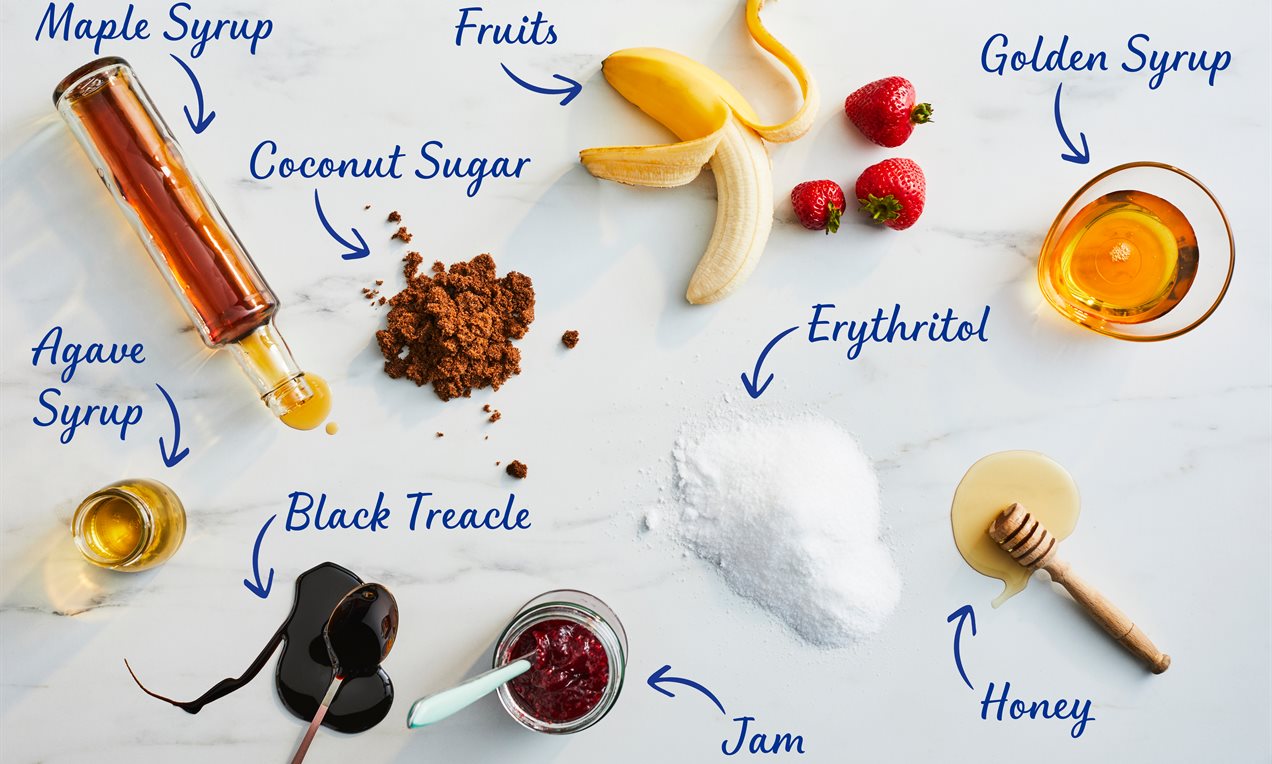
Any sugar can be replaced or reduced with these healthier alternatives, but be cautious that it can change the flavour, colour, or texture of the bake. Here are the alternatives that is best to use:
Honey or Maple Syrup – these are natural sweeteners which also has added nutrients.
Mashed Bananas or no added sugar Applesauce – these both add natural sweetness and moisture. Instead of 200g of sugar, try 100g sugar + 100g no added sugar applesauce.
Coconut Sugar – this is a lot lower in the glycaemic index compared to regular sugar. It also added more flavour to the bake.
Date Paste – this is packed with fibre, as well as having a natural sweetness. It is made by blending dates with water.
Why not try: Reducing the sugar by 25-50% – Most recipes work fine with less sugar. Start with a small reduction and adjust to taste.
Tip: Add Spices & Extracts – Cinnamon, vanilla, and nutmeg enhance sweetness without added sugar.
Check out our helpful guide for Sugar Substitutes in Baking
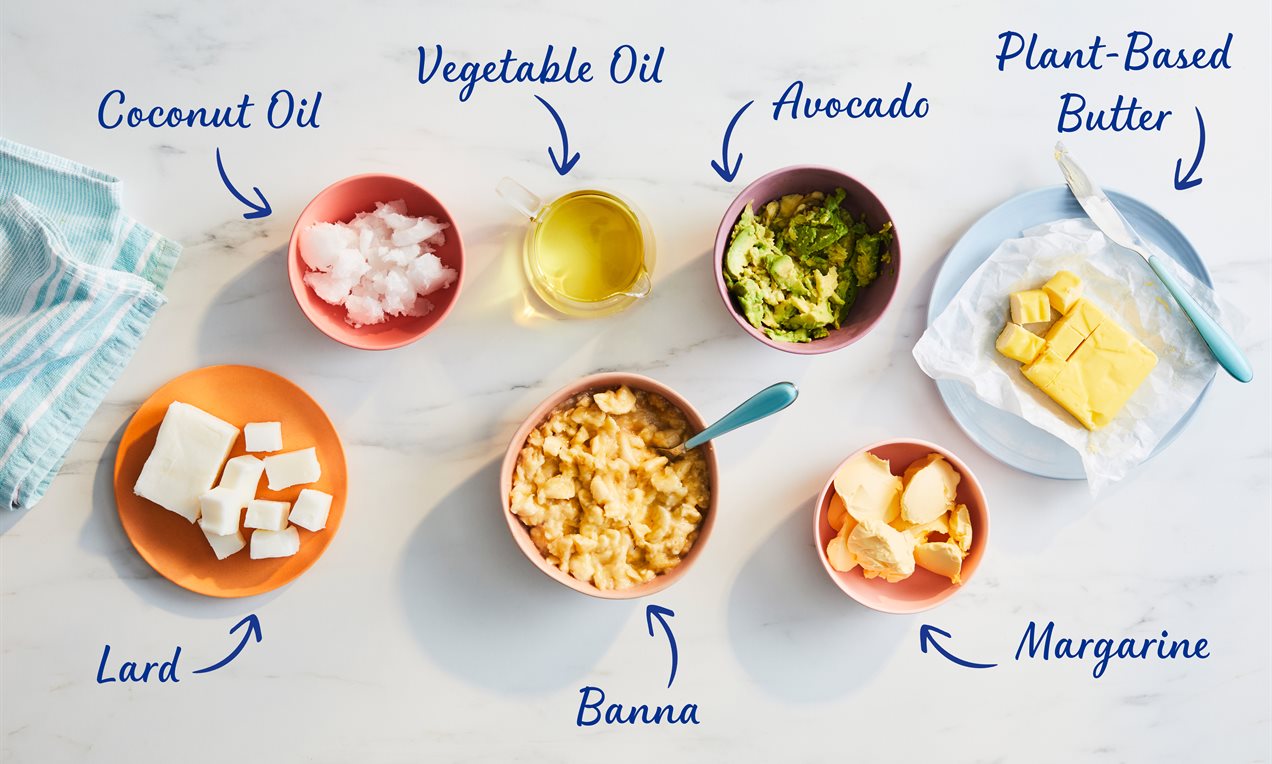
Butter and shortening, are high in fats. You can replace them with healthier alternatives which include:
Greek Yogurt – this has a lot less fat but also increases the protein in the bake.
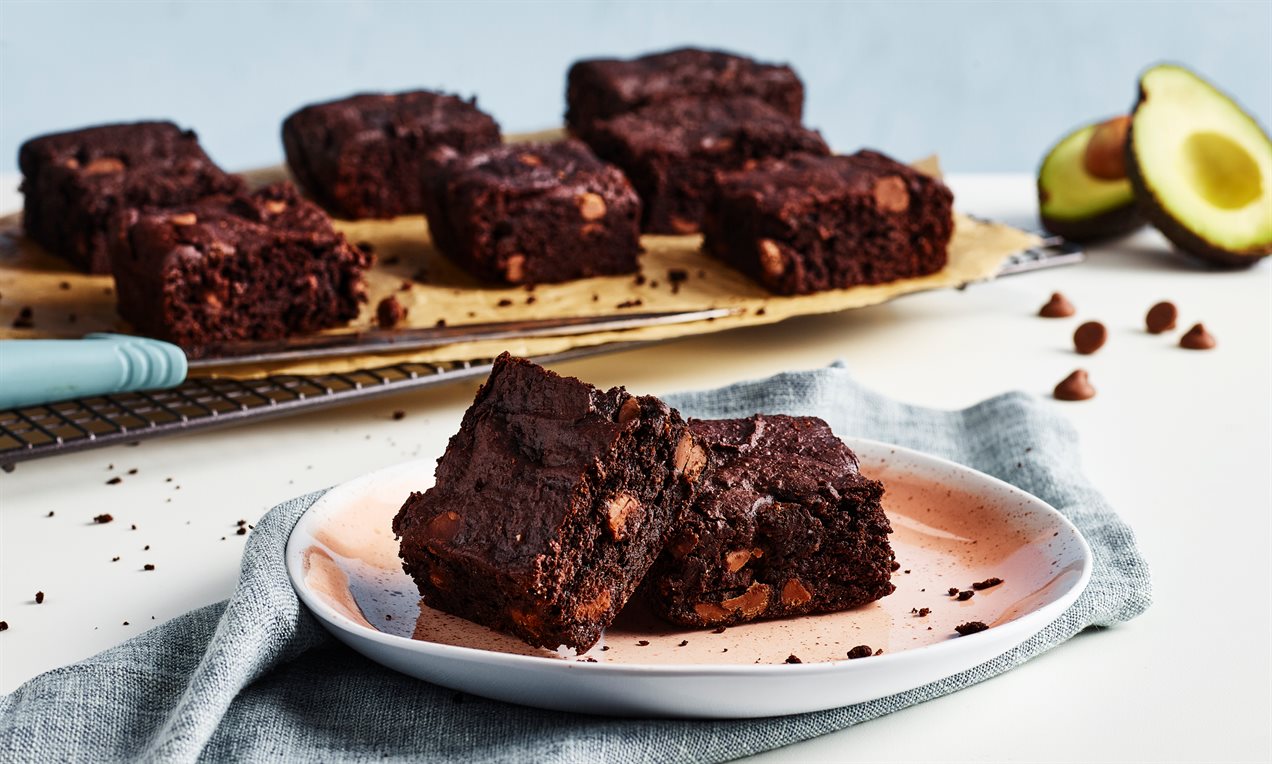
Avocado – Replaces butter in some recipes, but not all. It adds heart-healthy fats to the bake while making the bake moist.
Coconut Oil – A good alternative to butter, especially in dairy-free baking. Be careful as this could alter the flavour of the bake.
Nut Butters – Almond or peanut butter can add healthy fats. And is also high in protein.
Tip: Swap half the butter for a healthier alternative to maintain texture.
Check out our helpful guide for Butter Substitutes in Baking
You can enhance your baking by adding in ingredients that are higher in nutrients. These include:
Flaxseeds or Chia Seeds – Adds fibre and omega-3s.
Nuts and Seeds – Provides healthy fats, protein, while also adding in a crunchy texture.
Grated Vegetables (Carrots, Zucchini, Sweet Potatoes, Avocado) – Adds vitamins and moisture.
Dark Chocolate (70%+ Cocoa) – A healthier alternative to milk chocolate.
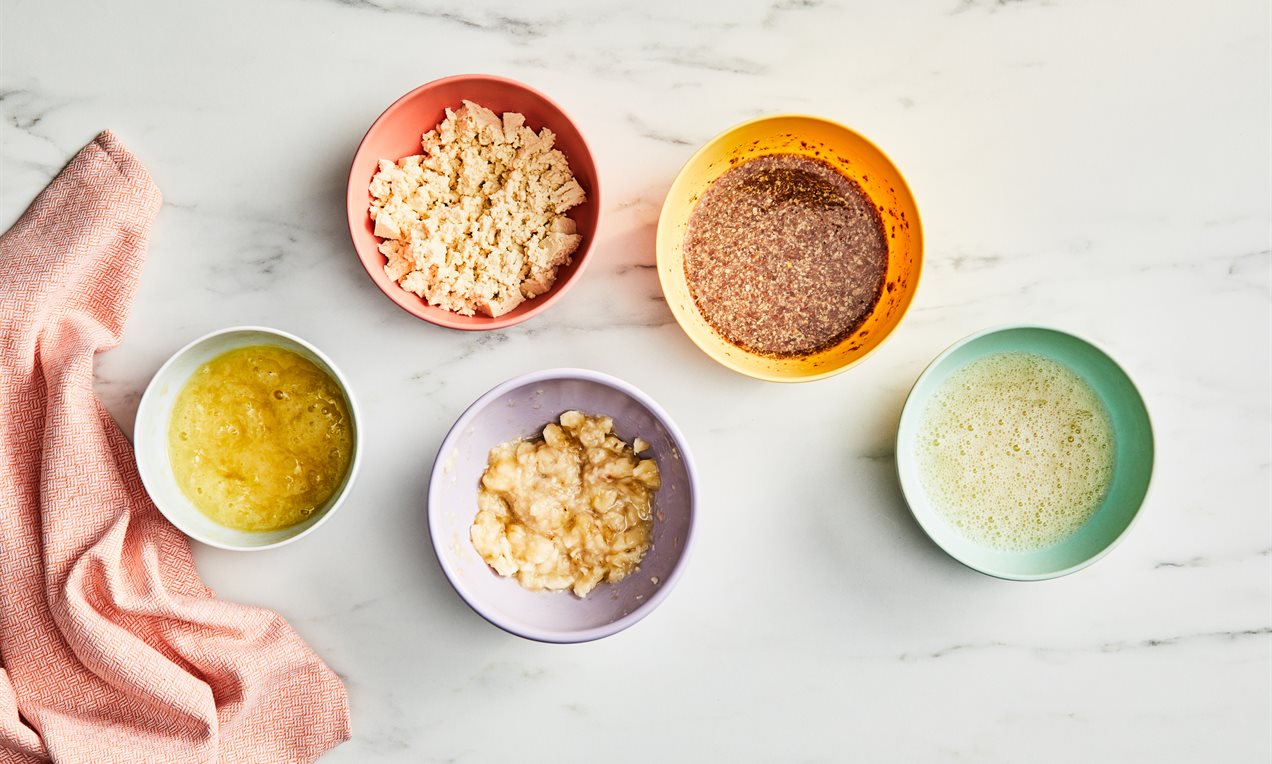
Eggs do contain good fats, however, when added to other fatty ingredients the calories and fats do increase. With small changes with eggs, you can reduce these by:
Use Egg Whites Instead of Whole Eggs – Reduces fat while maintaining structure. Replace 2 whole eggs with 3 egg whites.
Check out our simple guide for Substituting Egg .
You can make the calories lower in your baking by making simple easy swaps with the dairy
Use Plant-Based Milk – Almond, oat, or coconut milk can reduce dairy intake.
Opt for Low-Fat or Greek Yogurt – Provides protein and creaminess without excess fat.
Use Skinny Milk- This will lower the calories and fat in the bake.
Check out our helpful guide for Milk Substitutes in Baking
Bake Instead of Frying – Skip deep-fried doughnuts; try baked versions instead.
Use Non-Stick Spray Instead of Butter – Lightly coat pans to save hundreds of calories.
Reduce Baking Time Slightly – Helps prevent dryness when using lower-fat ingredients.
Healthier Recipe Ideas
Avocado Brownies Recipe | Dr. Oetker
Gluten Free Brownies Recipe | Dr. Oetker
Classic Wholemeal Bread Recipe | Dr. Oetker
Gluten Free Blueberry and Banana Muffins Recipe | Dr. Oetker
Reducing calories in baking is all about balance—small swaps add up! Just making one little change could make a big difference.
What’s the biggest mistake in healthier baking?
Trying to change everything at once. You should always try to:
-Make 1–2 swaps at a time
-Test and adjust
Can I still make treats taste good?
Of course you can, just because it’s ‘healthier’ does not mean you need to lack flavour. These are 3 top tips:
-Use vanilla, cinnamon, or citrus zest for flavour
-Add dark chocolate instead of milk chocolate
-Use salt to enhance sweetness
Is baking spread healthier than butter?
Baking spread can be healthier than butter, but it depends on the type. Spreads made from unsaturated fats like sunflower, rapeseed, or olive oil and without trans fats are generally better for heart health because they contain less saturated fat than butter.
However, some baking spreads are highly processed and may include palm oil or additives, making them no healthier—or even worse—than butter.
While both have similar calorie levels, the key difference is the type of fat rather than the amount. Overall, a good-quality baking spread can be a healthier option, but butter may still be preferred for its natural ingredients and flavour, especially in baking.
Is oven baking healthier than frying?
Yes, oven baking is generally healthier than frying, mainly because it uses far less added fat.
Is sourdough baking healthier?
Yes, sourdough bread can be healthier than regular bread. However, it can depend on added additives.
Sourdough is made through natural fermentation with wild yeast and lactic acid bacteria, which gives it several advantages:
Better digestion
Lower glycemic index
Improved nutrient absorption
Natural probiotics
However, sourdough is not automatically low-calorie or “weight-loss friendly”—it still contains carbs and calories. The health benefits are strongest when it’s made from whole-grain flour rather than highly refined white flour.
A little makes a big difference! You can also perfect other baking techniques with our handy guides such as Golden Rules When Baking Cookies and How to use Dr. Oetker's Decorating Icing