
How To Prevent Food Waste in Baking
Millions of tonnes of food get wasted in the UK each year. We can all help prevent food waste by making small changes and understanding what to do when we have food that has almost reached its best before date.
Planning your bakes in advance can greatly reduce food waste. Using ingredients creatively and storing them smartly is a great way to prevent it. Checking what ingredients, you already have in the house and using these up instead of buying new ones. Using items like overripe fruit or leftover yoghurt and cream, rather than buying new ingredients.
Measuring ingredients carefully is one of the most important steps in baking because baking is a science that relies on balance and precision. Over-weighing or adding too much of an ingredient—such as flour, sugar, or liquid—can cause cakes to become dense, cookies to spread too much, or bakes to remain undercooked. When a recipe fails because of inaccurate measuring, the final product is often thrown away or left uneaten, which leads to unnecessary food waste. By using the correct measuring tools, such as scales for dry ingredients and measuring jugs for liquids, and by following the recipe closely, you can improve your baking results, reduce mistakes, and ensure that more of your baked goods are enjoyed rather than wasted.
Keeping flour and other dry ingredients like sugar and grains can prevent spoilage. Also making sure that we store butter and dairy products in the fridge as 0-5’c is key to extend their shelf life. If the dairy products are running low on shelf life, they often can be frozen until you need to use them again.
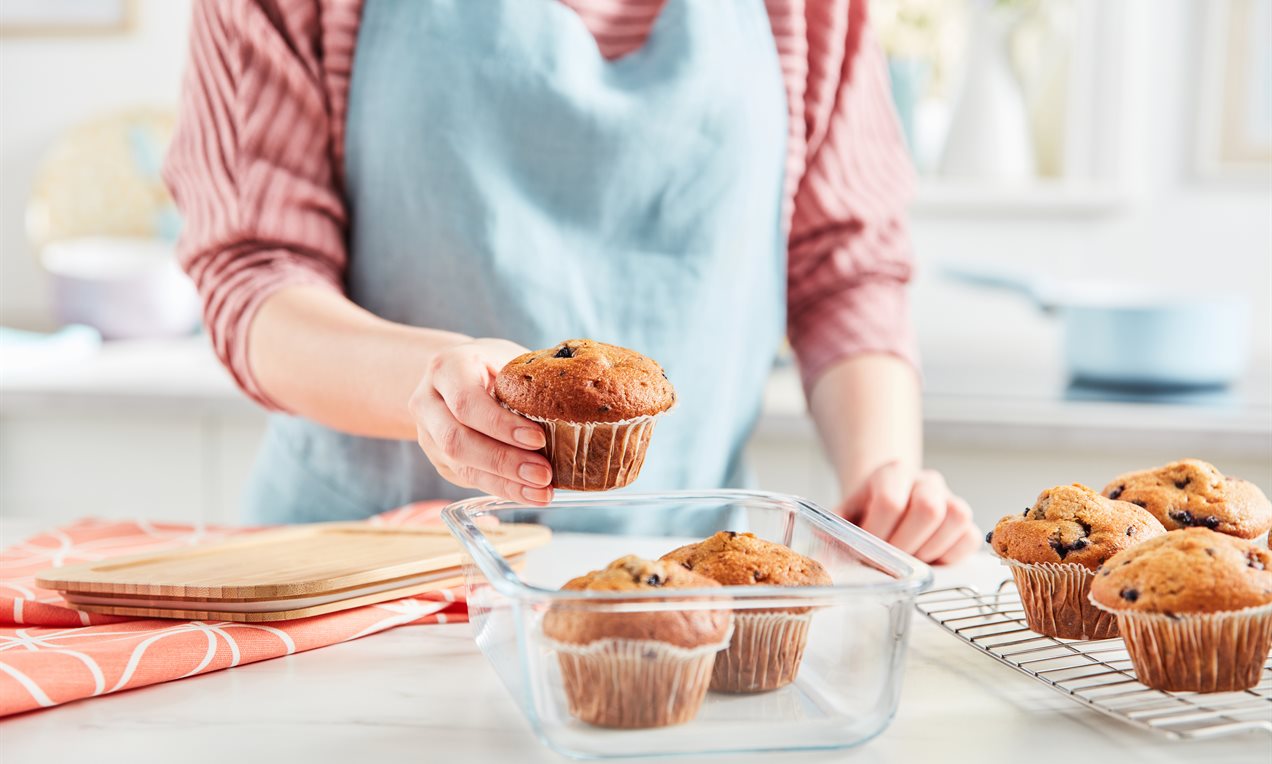
Storing baked goods correctly can prevent spoilage. Using extra cling film and storing in an airtight container will keep the items longer. Keeping them in the fridge will also extend the shelf life. Reheating them in the microwave once out of the fridge will help them come back to the perfect softness and flavour. Baked goods also freeze very well. If you will not be eating them straight away, then make sure they are frozen straight after baking and wrap them tight in an airtight container or cling film. Labelling items with dates can help you remember what needs to be used first.
Scaling down a recipe is a good way to prevent food waste, you are still able to enjoy baked goods, just not on a large scale. Recipes are written for larger quantities than needed, which can lead to leftover ingredients or finished products that may go uneaten. By reducing the ingredient amounts, you make only what you can realistically consume, helping minimize waste and save money.
Getting creative with leftovers can significantly reduce waste. Stale cake can be turned into cake pops or trifle, overripe bananas are perfect for banana bread, and leftover pastry scraps can be baked into small treats, like cinnamon swirl pastries.
Using food waste in baking is a great way to save money, reduce waste, and get creative in the kitchen.
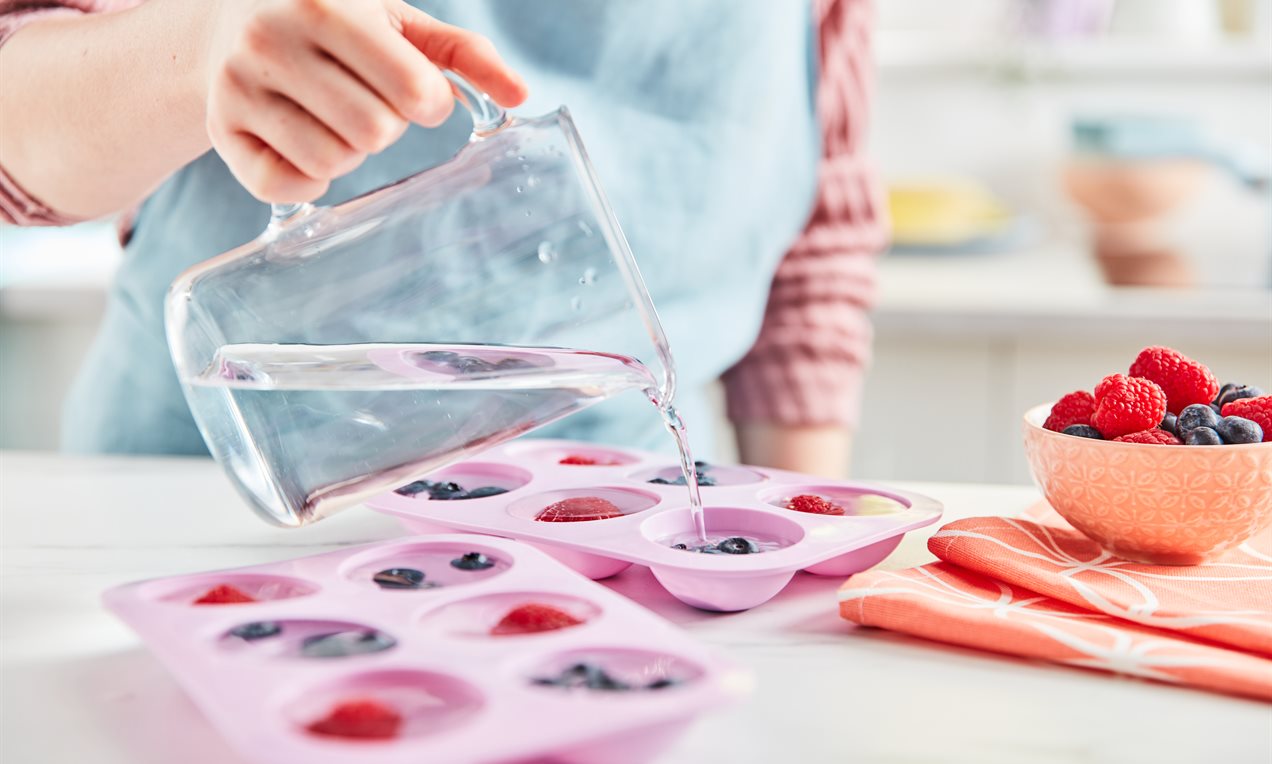
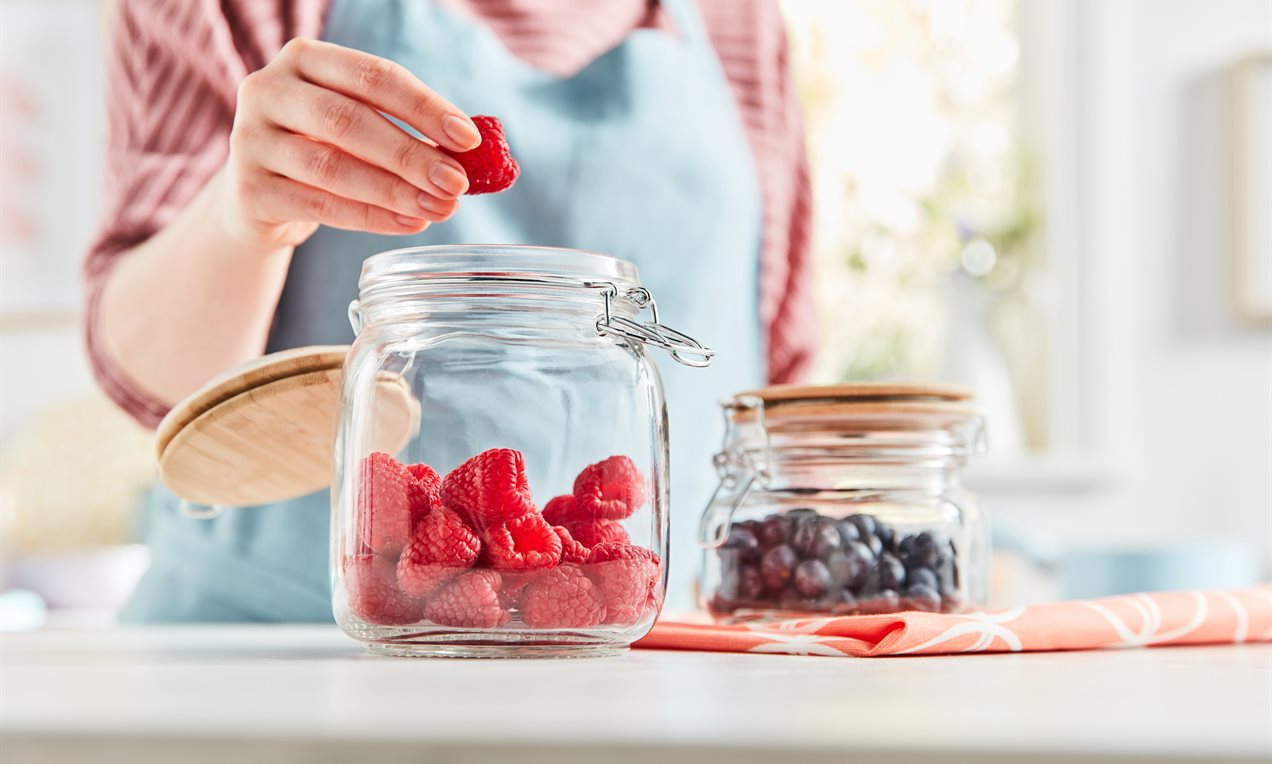
Overripe fruit, such as bananas, apples, pears, or berries, are ideal for baking because they are naturally sweeter, and easier to mash or blend than perfectly ripe fruit. This makes it perfect for adding into cakes, muffins, breads, flapjacks, and other baked goods, as it adds both natural sweetness and moisture. Wilted apples or pears can be chopped and cooked down to make compotes, pies, crumble fillings, or purées. Berries that are overly soft or slightly mushy can be stirred into muffins or cakes, swirled into cheesecakes, or used as a natural jam or coulis. You can also place in an ice cube tray and fill with water. Freeze, and you have fruit ice cubes to pop into drinks. By repurposing fruit that might otherwise be discarded, you not only reduce food waste but also enhance your baked goods with rich flavour, natural sweetness, and added moisture.
These can also be reused effectively. Yogurt, sour cream, crème fraiche, or milk that is close to its use-by date can add moisture and richness to cakes, pancakes, and quick breads like cinnamon rolls. Leftover cream can be whipped and folded into batters or used in fillings. Double cream can also be used to make butter. Whip it until it turns solid, add salt, wrap it in cling film and keep it in the fridge.
Dried up bread, can be popped in a food processer and blitzed to make breadcrumbs. These can also be frozen and brought out when ready to use. Oats, cereal crumbs, or crushed biscuits can be mixed into cookie doughs, flapjacks, or put into rocky road or bases for no-bake desserts.
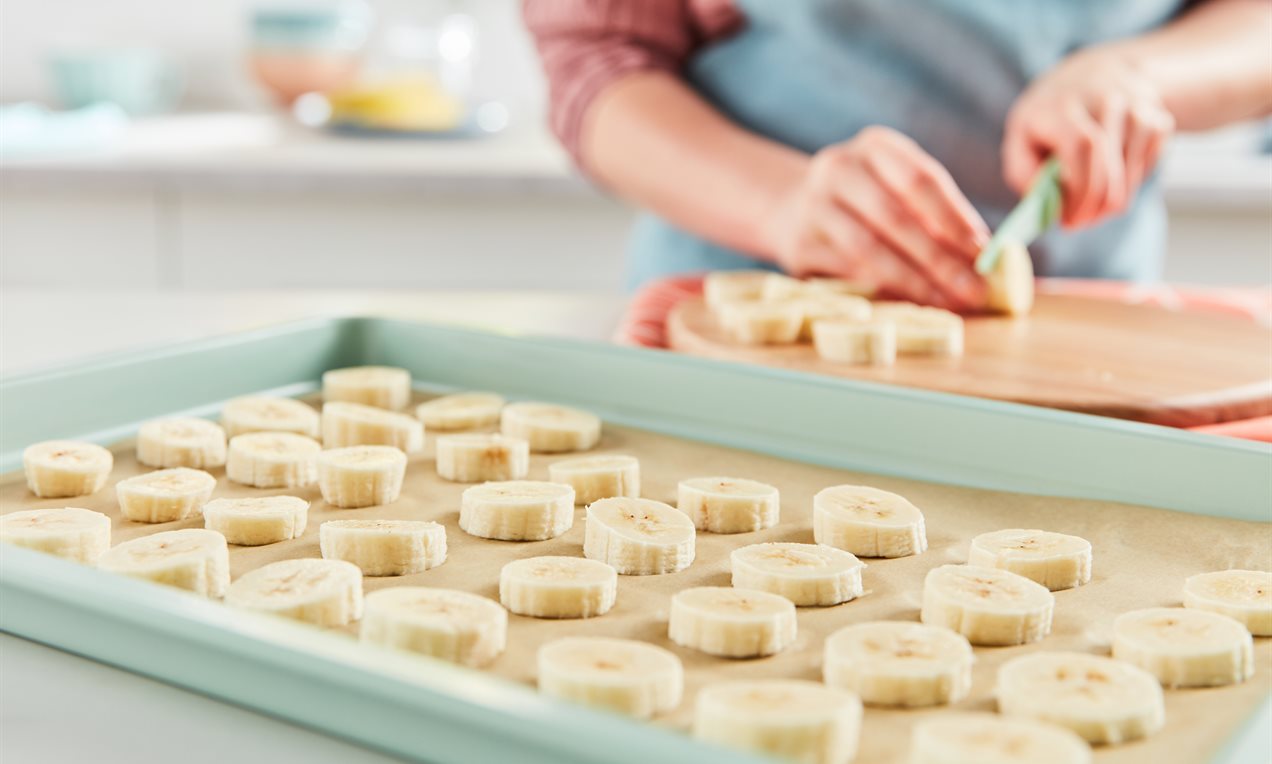
Banana skins contain lots of flavour and nearly 100% of the time are thrown away. They can be used in baking to help prevent food waste, and they also add in extra nutrients. One way to do this is to wash the banana skins to remove any dirt. Pop them in a pan with some water and sugar. Blitz this down and pass through a fine sieve, to make banana caramel or stir though a cake mixture to make banana bread. They can also be dried and ground into a powder. After washing, the skins can be dried in the oven on a low temperature, air fryer, or dehydrator until completely dry, then ground into a fine powder. This powder can be mixed into flour for baking breads, pancakes, or muffins, adding extra nutrients while keeping the texture. For bananas that are going bad, you can take off the peel, slice and place on a baking tray. Pop in the freezer to freeze, once frozen pop in a clear bag to store. This is perfect for smoothies’ cakes and muffins.
Coffee grounds can be used in the garden; they are great for composting because they add nutrients like nitrogen to the soil. They can be mixed into compost bins or sprinkled lightly around plants to improve soil texture. They also help attract worms, which are good for garden health. They are also good for cleaning, as they work as a natural abrasive. They can be used to scrub pots, pans, and surfaces that need extra cleaning power. They also help absorb odours, such as by placing dried coffee grounds in an open container in the fridge or freezer to help food smells. Finally, they can also be used in baking as they can add flavour. A small amount can be added to chocolate cakes, brownies, or rubs for baked goods to enhance rich, deep flavours. They can also be used to flavour syrups or added to spice rubs for savoury dishes. Make sure the grounds are finely used and not overpowering.
You may never think that eggshells can be reused. They are good in the garden, sprinkling crushed shells add calcium to soil, which helps plats to grow stronger. They are also used to prevent bugs and pests in the garden such as snails and slugs. They are great for cleaning, as they work well as a gentle abrasive that can help scrub stubborn stains from pots, pans, and other hard surfaces. Mixed with a little soapy water, they work well for cleaning without using harsh chemicals.
You can store egg yolks in both the fridge and freezer. They’ll keep in the fridge for around two days, but they can dry out easily. Make sure you store them in small containers with little air in them or in food bags with the air squeezed out.
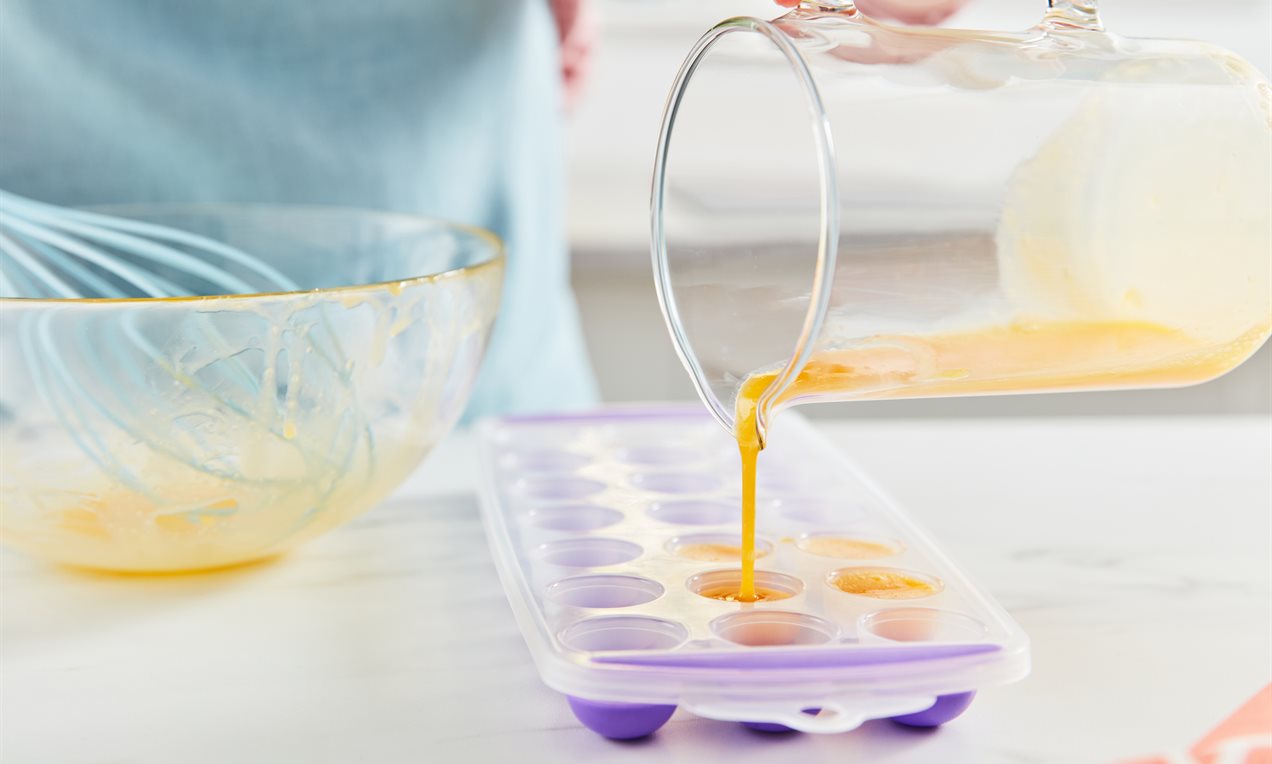
Egg yolks can also be frozen and will keep for up to 12 months. Simply mix with ½ tsp of sugar per egg yolk. Freeze them in an ice-cube tray with one egg yolk in each ice cube mould. Then defrost them at room temperature to use straightaway.
Tea bags are great in the garden; they can be added to compost bins to add in more nutrients to improve soils quality and help retain the moisture in the soil. They are also good to help with odours in fridges, shoes, or bins when left to dry first. The mild tannins in tea can also help remove grease and add shine when wiping mirrors or windows. The flavour in used tea bags can also be used in baking. They can be steeped again to make a lighter tea taste in cake and dried fruit.
Reducing food waste is not only good for the environment but also makes baking and cooking more efficient, creative, and cost-effective. By planning meals, measuring ingredients carefully, scaling down recipes to the right portion sizes, and finding ways to reuse leftovers—such as overripe fruit, stale bread, or even coffee grounds and eggshells—you can ensure that less food ends up in the bin. Small, simple changes, like using banana peels in purées, composting scraps, or freezing extra baked goods, can make a significant difference in reducing waste and helping the environment.
What to do with Leftover Puff Pastry | Dr. Oetker
What to Do with Leftover Egg Yolks | Dr. Oetker
What to do with Leftover Shortcrust Pastry | Dr. Oetker
What to do with Leftover Cake | Dr. Oetker