
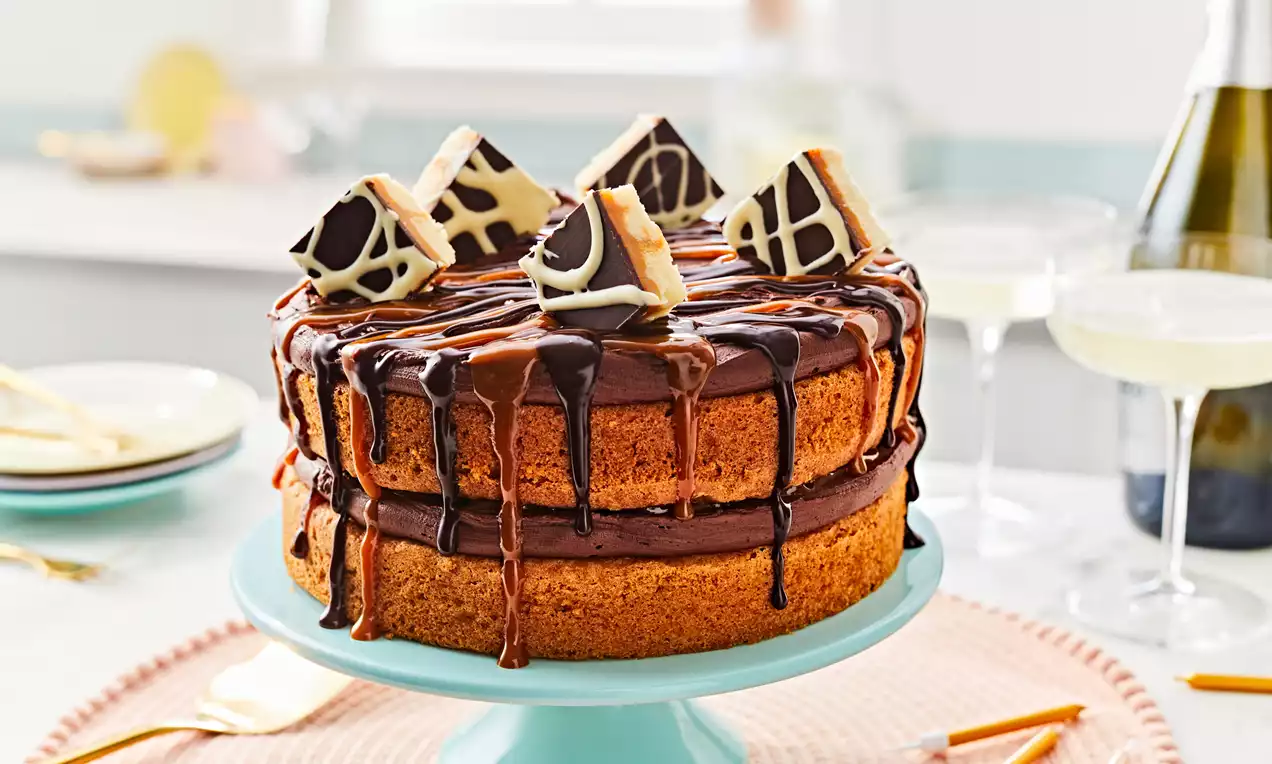
Dr. Oetker’s Guide to Gluten-Free Baking
From soft, fluffy cakes to perfectly chewy cookies and crispy pastries, gluten-free baking is all about experimenting and finding what works best for you. Let’s dive into the world of gluten-free baking and discover making little changes make a big difference in gluten free baking.
Ever wondered what is the best flour to use for gluten free baking? Here is a list of the best flours to use:1- Polenta
2- Ground almond or almond flour
3- Rice flour
4- Tropica flour
5- Buckwheat flour
6- Oat flour
7- Quinoa flour
8- Potato flour
9- Chai flour
10- Ground hazelnuts
1- Tropica flour
2- Eggs
3- Arrow root
4- Corn flour
5- Potato starch (do not use potato flour)
6- Rice flour
7- Xanthan gum
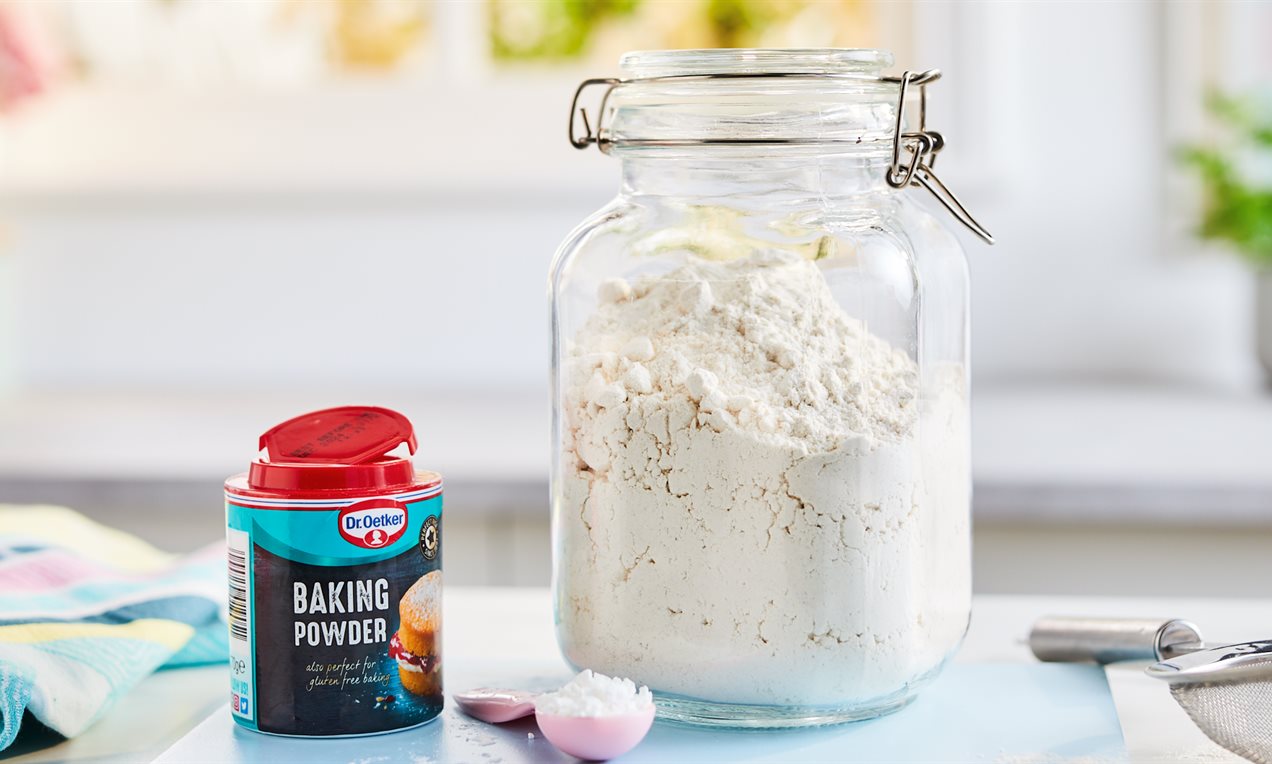
1- Baking powder
2- Bicarbonate of soda
3- Egg whites
4- Yeast
Binders and raising agents should be used in conjunction of the gluten free flours to create the same texture of gluten.
1- Gluten-free flours absorb more liquid than normal flour.
2- Gluten-free cake batters need and can tolerate overmixing.
3- Gluten-free cakes bread and pastry need to rest before baking.
4- Gluten-free cakes bread and pastry take a longer time to bake.
5- Measure the ingredients with a scale and not measuring cups
1- Bake low and slow-Baking the cake for an extra 5–10 minutes may be necessary, due to the extra liquid content. You can test if the cake is cooked by inserting a skewer into the centre to see if it comes out clean. Decreasing the temperature slightly and increasing the cooking time could reduce the risk of a burnt top as gluten-free bakes may brown quicker.
2- Create your own unique blend of flours- Gluten free baking lacks elasticity and structure. So by combining ground nuts with flour and raising agents can call for the perfect texture. Adding tapioca flour enhances softness and absorbency, making it great for light cakes and pastries. Gluten-free oats and oat flour add a hearty texture, perfect for biscuits and breakfast muffins. For rich and dense bakes like cakes, traybakes, and biscuits, try blending in ground almonds, pistachios, or hazelnuts. Adding xanthan gum, to some extent, replaces the elastic qualities that gluten-free flours lack. If the flour you are using doesn't already contain xanthan gum, combining quarter of a teaspoon to every 200g of gluten-free flour will help to improve the crumb structure of your bake. You can also use guar gum or a combination of the two. Adding slightly more gluten-free baking powder than the recipe requires can help make a lighter and fluffier cake.
3- Adding more liquid than stated in the recipe may be necessary in order to rehydrate gluten-free flour. As gluten free flour absorbs more liquid than normal flour. Add the liquid a tablespoon at a time until the mixture reaches dropping consistency.
4- Eggs are a great binder in gluten free baking, and the best way to add the moisture needed.
5- Rest- make sure you rest gluten free cake batters, which allows for a lighter bake this allows the flour to hydrate which improves the texture of the bake.
1- Icing sugar- in the UK icing sugar is usually gluten free but in other counties they use bulk agents that are not gluten free.
2- Baking Powders-Not all baking powders are gluten free- Check out our Baking Powder which is gluten free.
3- Oats- some oats are not gluten free, so please make sure you check they are gluten free before baking with them.
4- Soft cheese- most soft cheese contain gluten. Please make sure you check the label before using in the recipe
5- Chocolate- Most people get caught out when it comes to gluten in chocolate, most chocolate does include gluten. Please make sure you check.
1- Gluten Free Lemon Drizzle Recipe | Dr. Oetker
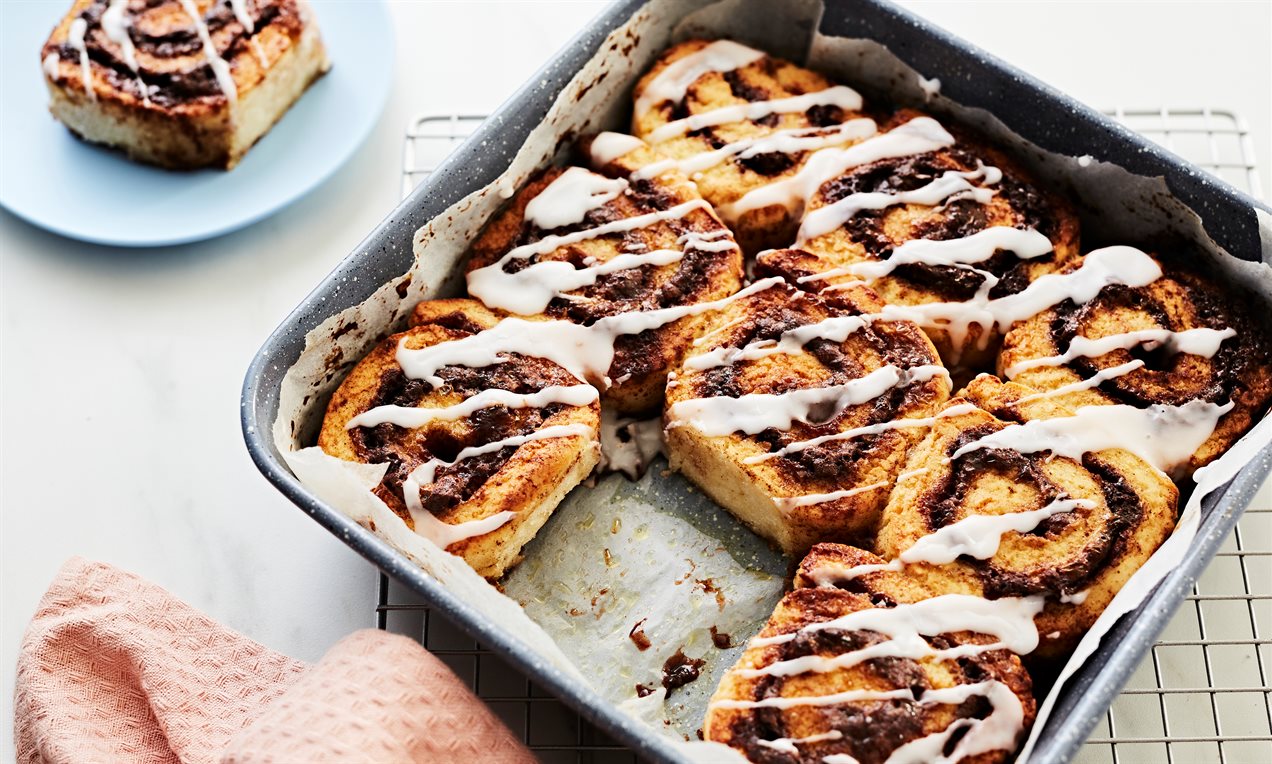
2- Gluten Free Cinnamon Rolls Recipe | Dr. Oetker
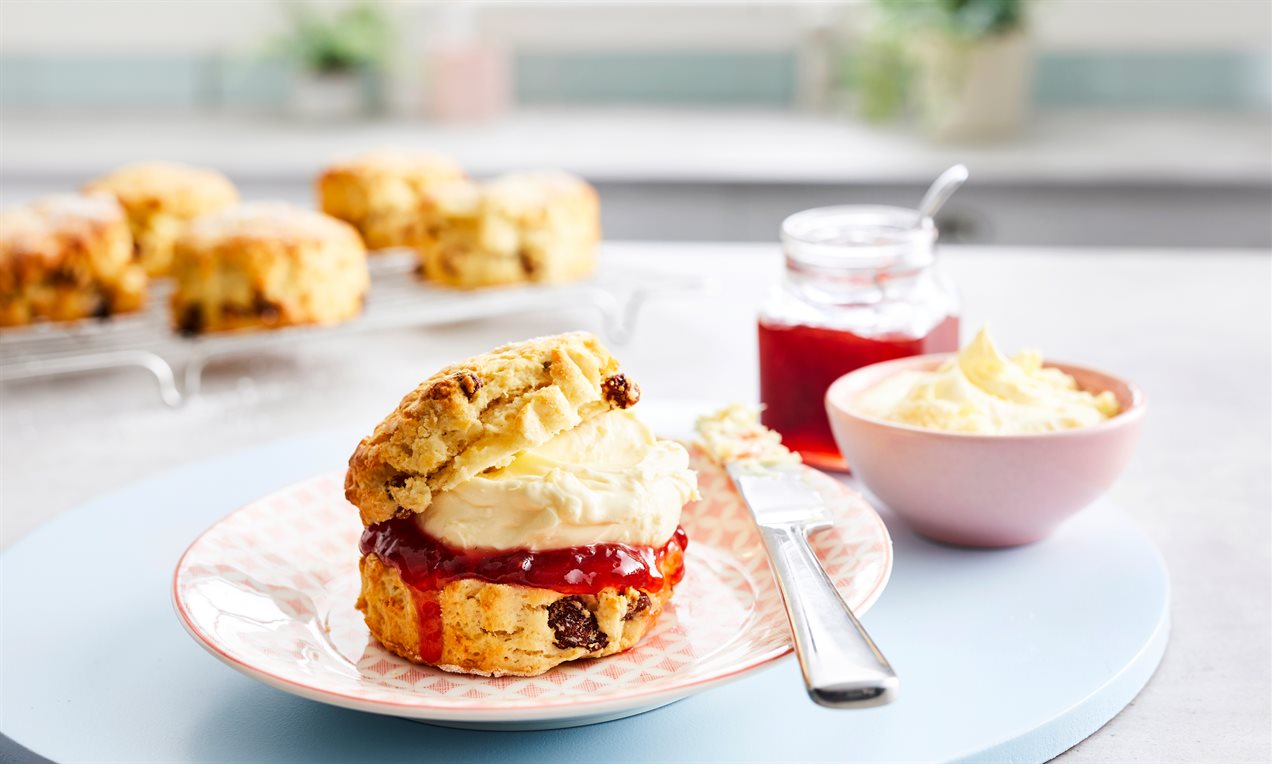
3- Gluten free Scones Recipe | Dr. Oetker
4- Gluten Free Brownies Recipe | Dr. Oetker
5- Gluten Free Chocolate Orange Cupcakes Recipe | Dr. Oetker
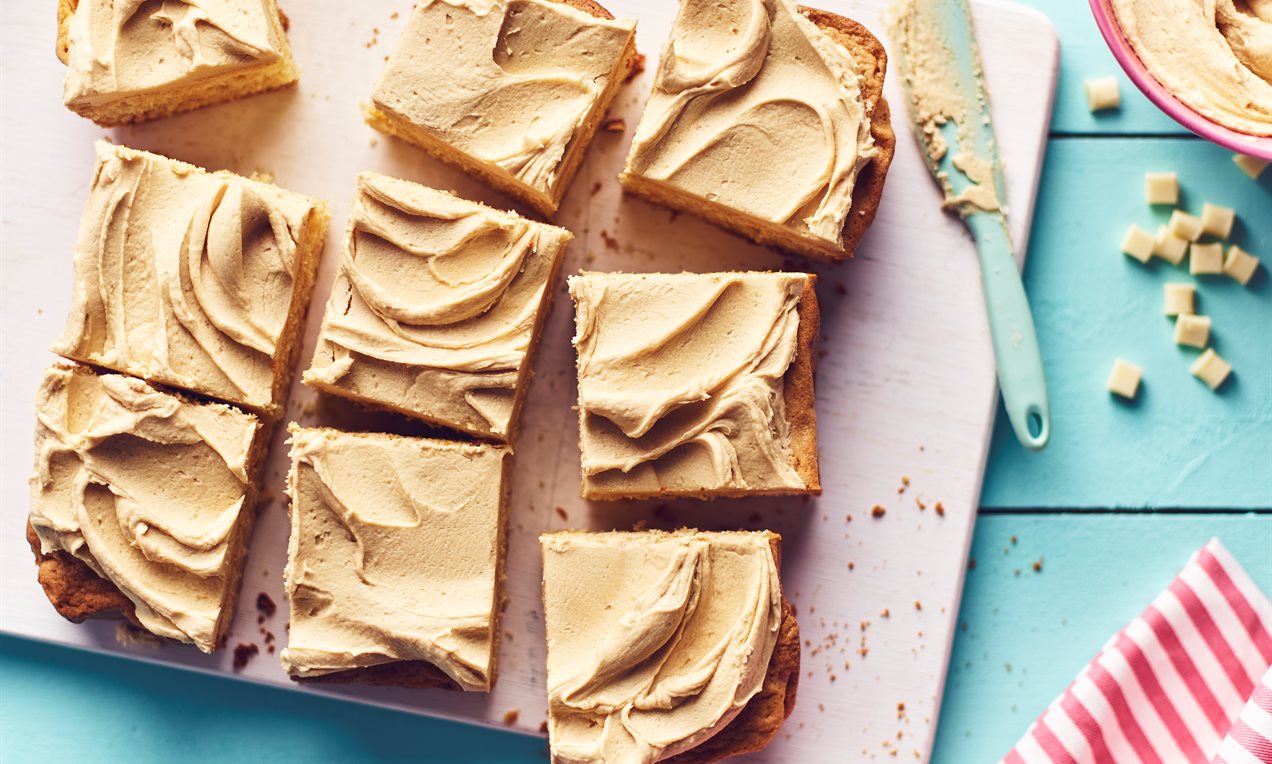
Making these small adjustments to your gluten-free baking can make a big difference on the final result, helping you achieve better texture, flavour, and consistency in every bake!
Do gluten-free flours work like regular flour?
No, gluten-free flours react differently because they lack gluten, which gives wheat-based bakes their elasticity and structure. Gluten-free flours often need binders (like xanthan gum, psyllium husk, or chia/flax) to hold the dough or batter together and give a better texture.
Can I substitute gluten-free flour 1:1 for wheat flour?
Typically, it is not directly substituted. Each gluten-free flour absorbs liquid differently, so batter or dough may need extra moisture or a binder.
Using a pre-mixed gluten-free flour blend is easiest for a close 1:1 substitution.
Does gluten-free baking taste different?
Yes, the flavour can vary depending on the flour. Using blends and proper binders helps produce a more neutral taste similar to traditional baked goods.
Can I make gluten-free bread rise like normal bread?
Gluten-free breads won’t be as chewy or airy as wheat bread.
You can improve rise by:
Using yeast or chemical leaveners (baking powder/soda)
Adding binders for structure
Using eggs or egg substitutes for lift and moisture
How do I prevent gluten-free baked goods from drying out?
Add extra moisture: milk, yogurt, oil, or fruit puree.
Don’t overbake—gluten-free flours dry out faster than wheat flour.
Store baked goods in airtight containers or freeze for later.
What are common mistakes in gluten-free baking?
Skipping binders , which will result in crumbly or dense texture.
Using a single gluten-free flour only – blends often give better structure and flavour.
Overbaking – gluten-free items dry out quickly.
Not adjusting liquids – some flours (coconut, almond) absorb more liquid than wheat.
Ignoring cross-contamination – baking with regular flour on shared surfaces can ruin gluten-free results.
Now you know the art of Gluten Free Baking, why not check out how to Substituting Egg or Butter Substitutes in Baking, to make your bakes vegan.